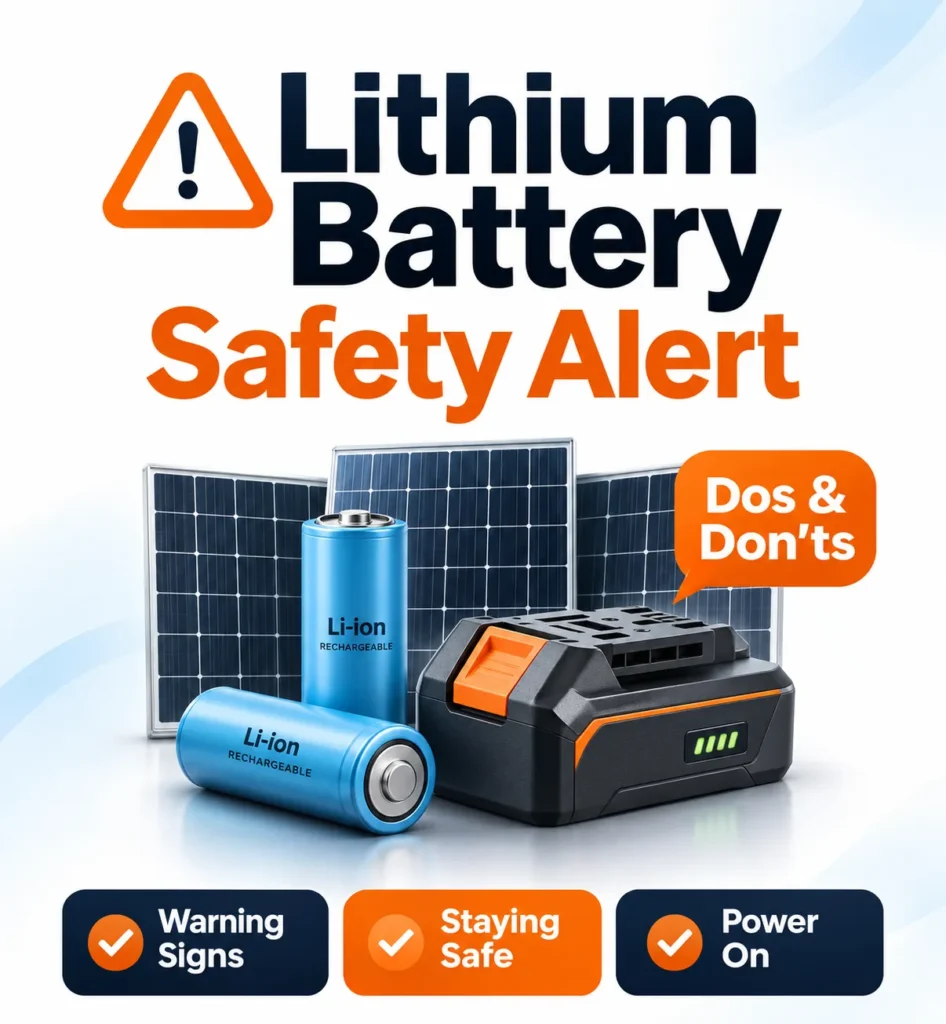

Lithium–ion, or Li-ion, batteries are found in a variety of devices, from tablets, mobile phones, and earphones to electric cars, vans, and e-bikes. They are also found in E-cigarettes, drones and pacemakers.
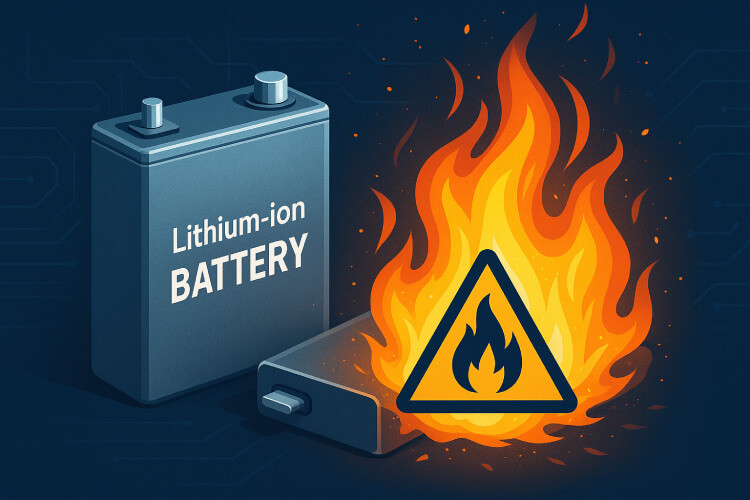
Li-ion batteries should always be bought from a reputable company and used according to their instructions. In this case, Li-ion batteries pose no threat to the public and are considered to be stable. However, if they overheat, by being left unattended whilst charging, or are damaged by impact, falling from a height or extreme environmental changes, they can cause explosive fires.
If such a fire breaks out, normal fire extinguishers are ineffective.
Lith-ex extinguishers, blankets, and suppression bags should be used first. Use these to aid escape rather than tackle the fire itself, as toxic gases can be released and there is a risk of chemical burns.
To prevent incidents like this, dispose of batteries by recycling them at a designated point or service, never in general rubbish. Always use the correct charger, either the one supplied with the device or one from a reputable manufacturer. Inspect batteries regularly for signs of damage, including leaks, discolouration, odours, swelling and any hissing or popping sounds.
Don’t charge or store Li-ion batteries on your escape route.